
Boost Your Mental Health: Vegetables, Fruits, and Herbs That Make a Difference
- Mrs. Williams

- Apr 13, 2025
- 4 min read
Updated: Apr 26, 2025
Eating a balanced diet rich in vegetables, fruits, and herbs can significantly improve mental health. In today’s fast-paced world, mental well-being has become just as important as physical health. Research suggests that what you eat can directly affect your mood, stress levels, and overall mental clarity. This blog post explores various vegetables, fruits, and herbs known to boost mental health, offering you practical advice and insights to incorporate them into your diet.
Why Nutrition Matters for Mental Health
Nutrition plays a crucial role in our mental health. Studies indicate that diets rich in fruits, vegetables, and wholesome foods contribute to reduced anxiety and depression. Nutrients such as omega-3 fatty acids, vitamins, and minerals show a direct correlation with brain function. So, what specific foods can elevate your mood and improve mental clarity?
Power-Packed Vegetables for Mental Well-Being
Leafy Greens
Leafy greens like spinach, kale, and Swiss chard are packed with vitamins A, C, and K, and minerals that aid in the production of dopamine and serotonin. These “feel-good” chemicals play a significant role in mood regulation. Eating a generous serving of leafy greens can provide the brain with necessary nutrients to function effectively.

Broccoli
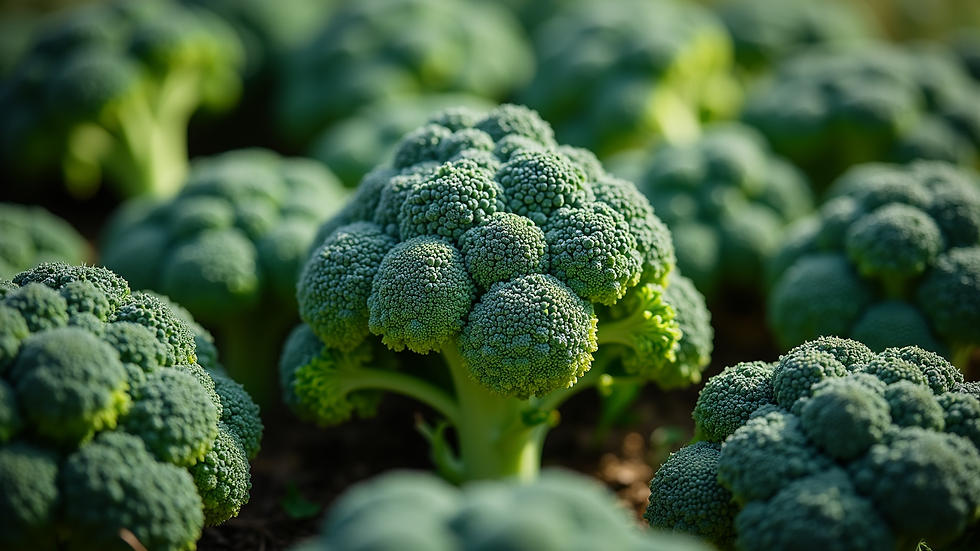
Broccoli is a nutrient-dense vegetable full of antioxidants. Not only is it rich in vitamin C, which is known for reducing stress levels, but it also contains compounds that promote brain health. Regular consumption of broccoli has been linked to better cognitive performance.
Sweet Potatoes
Sweet potatoes are not only delicious but also a great source of complex carbohydrates. They help stabilize blood sugar levels, preventing mood swings and irritability. Their high fiber content aids in gut health. A healthy gut has been linked to improved mental health due to the gut-brain axis.

Nutrient-Rich Fruits to Uplift Your Spirits
Blueberries
Blueberries are often lauded for their superfood status. They contain antioxidants that combat oxidative stress, which can contribute to mental fatigue and mood disorders. Studies show that regular consumption of blueberries may enhance memory and improve mood.

Bananas
Bananas are an excellent source of vitamin B6, helping in the production of neurotransmitters like serotonin and dopamine. Eating a banana can instantly lift your spirits, making them a perfect snack for those feeling low.

Avocados
Avocados are rich in healthy fats and fiber, making them an essential part of any mental health diet. They're packed with omega-3 fatty acids that support brain function. This creamy fruit can help lower anxiety levels and improve cognitive function.

Herbs That Can Make a Difference
Ashwagandha
Ashwagandha is an adaptogenic herb known for its stress-reducing properties. It helps to lower cortisol levels, which, when elevated, can lead to anxiety and mental fatigue. Incorporating ashwagandha into your diet can promote a sense of calm and enhance your resilience against stress.

Chamomile
Chamomile is often consumed as a tea that promotes relaxation and better sleep. Its calming effects can help reduce anxiety and improve mood. Enjoying a warm cup of chamomile tea can be an excellent way to unwind after a long day.

Peppermint
Peppermint is refreshing and invigorating. It has been associated with improved mood and cognitive function. The aroma of peppermint can awaken the senses and help reduce feelings of anxiety. You can enjoy peppermint in various ways, such as tea or fresh leaves added to dishes.
Tips on Incorporating these Healthful Foods into Your Diet
Smoothies: Blend leafy greens, fruits like blueberries and bananas, along with spices like ginger or herbs like mint. A morning smoothie can kickstart your day with nutrients.
Salads: Create vibrant salads using mixed greens, avocados, and a variety of vegetables. Add nuts or seeds for healthy fats.
Herbal Teas: Incorporate herbal teas into your daily routine to promote relaxation. Chamomile and peppermint are great choices.
Stir-Fries: Use a variety of colorful vegetables including broccoli and sweet potatoes in stir-fries. They are quick to prepare and full of nutrients.
Snacks: Keep fruits like bananas and blueberries on hand for quick and easy snacks. They are portable and nutritious.
Listen to Your Body
As you explore these nutrients, it's important to listen to your body. Mental health is a complex matter, and while diet plays a crucial role, other factors such as exercise, sleep, and mindfulness practices are equally important. Always consult with a healthcare professional before making significant changes to your diet, especially if considering herbal supplements.
Explore Further
If you're interested in diving deeper into how nutrition affects mental health, numerous studies and articles highlight these connections. You might want to look into reliable sources that discuss more about the impact of specific foods on your mental well-being.
In conclusion, vegetables, fruits, and herbs can play a significant role in improving mental health. By incorporating nutrient-dense foods into your diet, you not only nourish your body but also support your mental well-being. Your mental health journey begins with the choices you make at each meal, so make them count! Remember, as you explore the world of mental wellness through nutrition, the health benefits you gain can be substantial and transformative.
Temu Users: Check out this link for a selection of essentials: Temu Users.
Temu New Users: If you’re new to Temu, don’t miss out on these deals: Temu New Users.
Amazon: Browse through a variety of high-quality apparel on Amazon: Amazon Affiliate Link.
Disclosure: As a Temu and Amazon affiliate, I may earn a small commission if you make a purchase.



Comments